The industrial
revolution
The Industrial Revolution was the
transition to new manufacturing processes in the period from about 1760 to
sometime between 1820 and 1840 and was a time many of the modern inventions we
take for granted today were created. Important facts:
·
The Industrial
Revolution occurred in the last part of the 18th century. It began in Great
Britain.
·
This revolution
was an economic one, and it changed the way the world produced goods.
·
The population
went from being agricultural to industrial. This meant people moved off of the
farms and out of the country. There were huge numbers of people that moved into
cities. Many people were forced to move to the cities to look for work. They
ended up living in cities that could not support them.
·
During this
time, there were also many new advancements in technology. The assembly line was one of
the biggest inventions. Henry Ford is credited with this invention.
·
Some of the
biggest advancements were in steam power.
New fuels such as coal
and petroleum, were used in these new steam engines. This revolutionized many
industries including textiles
and manufacturing.
·
Another
invention was called the telegraph.
This made communicating across the ocean easier and much faster. Messages could
be sent and received in minutes and delivered the same day. Writing a letter
and sending it overseas could take weeks.
·
The Industrial
Revolution was not a good revolution for the earth. Industry was releasing huge
amounts of carbon
dioxide into the atmosphere and waste into the waterways and soil.
·
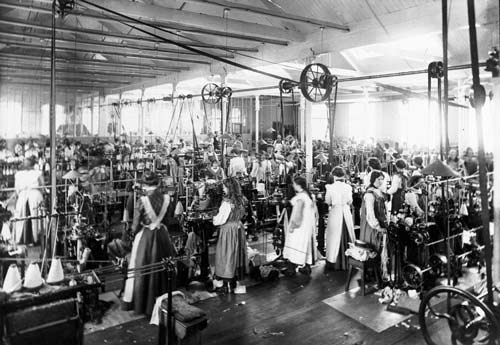
The conditions
in factories were not very good. Workers worked for a long time and children
and women were exploited.



No hay comentarios:
Publicar un comentario